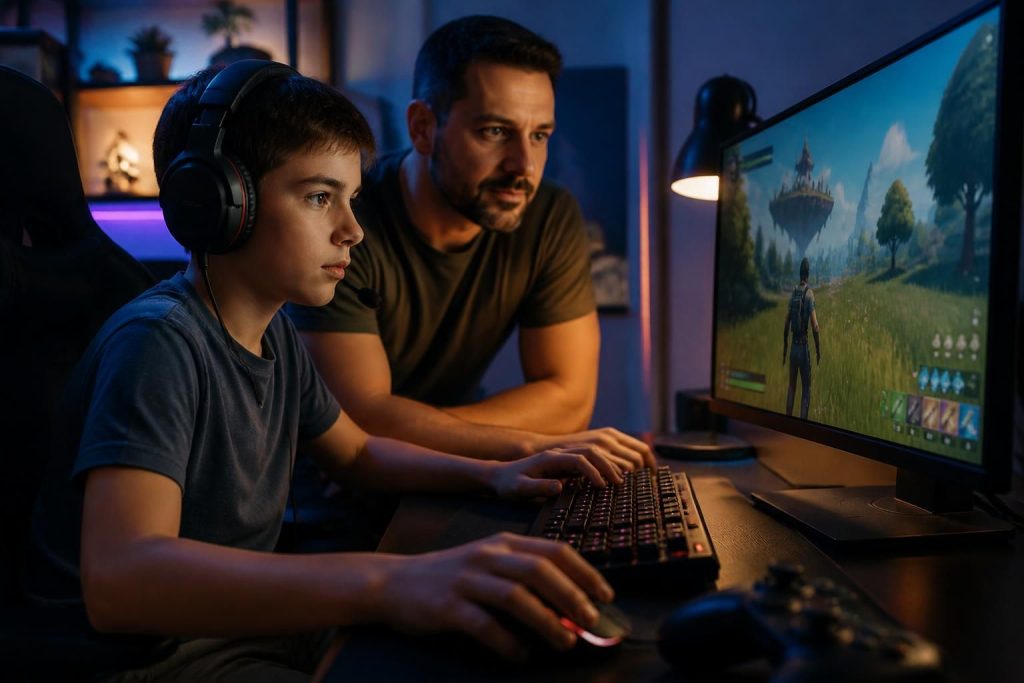
Online safety for young gamers is an increasingly vital concern as children engage more with video games, mobile applications, and online platforms. The immersive nature of gaming offers young players countless opportunities for fun and creativity. However, it also exposes them to risks such as cyberbullying, inappropriate content, and online predators. Parents play a crucial role in ensuring a safe gaming environment by implementing proactive measures and fostering open communication about these risks. This article provides essential tips for parents to help protect their children while they explore the virtual worlds of gaming.
Understanding the Risks of Online Gaming
The online gaming landscape is diverse, encompassing multiplayer games, social platforms, and esports. Each of these environments comes with distinct challenges. Young gamers may encounter toxic behavior from other players, including harassment and bullying, which can affect their mental well-being. Furthermore, the anonymity of the internet can embolden malicious individuals who may attempt to exploit or manipulate young players.
Additionally, many games and applications contain chat features that can provide access to strangers. This exposure raises significant concerns about online predators who may try to groom children for nefarious purposes. Parents must educate their children about these dangers to help them recognize potentially harmful interactions and understand the importance of maintaining privacy.
Establishing Ground Rules and Guidelines
One of the first steps parents can take is to set clear rules regarding gaming time, appropriate game choices, and communication with others. Establishing boundaries helps children understand what is permissible and encourages responsible behavior. For younger gamers, it may be helpful to restrict access to games with open chat features or those rated for older audiences.
Moreover, parents should actively engage in discussions about the games their children play. This not only allows for informed decisions but also helps parents gauge the suitability of the content. Encourage children to share their gaming experiences and any interactions they’ve had, fostering an environment of trust and openness. By doing so, parents can identify potential issues before they escalate.
Utilizing Parental Controls and Monitoring Tools
Many gaming consoles, mobile devices, and platforms come equipped with parental controls designed to enhance online safety for young gamers. These features allow parents to manage settings for gameplay time, content access, and communication options. For instance, parents can restrict in-game purchases or limit the duration of play to prevent excessive screen time.
Monitoring tools are also invaluable in tracking gaming activity and interactions. Platforms such as Xbox Live, PlayStation Network, and Steam offer options to view friends lists, messaging, and gameplay habits. Regularly reviewing this information allows parents to stay informed about their child’s gaming environment and identify any concerning behavior or interactions. For more on this topic, see สล็อต.
Educating Children on Privacy and Security Measures
Teaching children about online privacy is crucial in their gaming experience. Parents should guide them in creating strong, unique passwords for their gaming accounts and help them understand the importance of not sharing personal information, such as their full name, address, or school. It is essential for children to realize that these details can be exploited by others.
Additionally, encourage youngsters to use in-game privacy settings effectively. Many games allow players to control visibility to their profiles or limit who can send them messages. By educating children on how to adjust these settings, parents can empower them to take an active role in safeguarding their online presence.
Furthermore, reinforcing the importance of thinking critically about online interactions can help young gamers navigate the gaming world more safely. For example, discussing scenarios where someone they meet online asks for personal information can prepare them to respond appropriately.
Promoting Healthy Gaming Habits
Beyond safety measures, promoting healthy gaming habits is crucial for overall well-being. Encouraging breaks during gameplay can help prevent fatigue and maintain physical health. Parents can suggest alternative activities, such as outdoor play or family board games, to balance screen time with other forms of engagement.
Moreover, instilling the values of respect and sportsmanship within the gaming community fosters a more positive experience. Teach children to treat other players with kindness and to report any behavior they encounter that seems inappropriate. This not only enhances their gaming experience but also contributes to a healthier gaming environment as a whole.
Conclusion: Fostering a Safe Gaming Environment
Online safety for young gamers requires a collaborative effort between parents and children. By understanding the risks, setting clear guidelines, utilizing protective tools, and educating children about privacy, parents can significantly enhance their child’s gaming experience. Promoting healthy habits and respectful interactions will not only protect young gamers but also enrich their engagement with the gaming community. Ultimately, a proactive approach to online safety ensures that gaming remains a fun and rewarding activity for children.